Open-source electric power for hang gliders

Launch. Climb. Soar.

Two electric power units for hang gliders that climb at 400+ fpm, built from carbon, off-the-shelf parts and ESP32 control. One straps to your harness. One bolts to your keel.

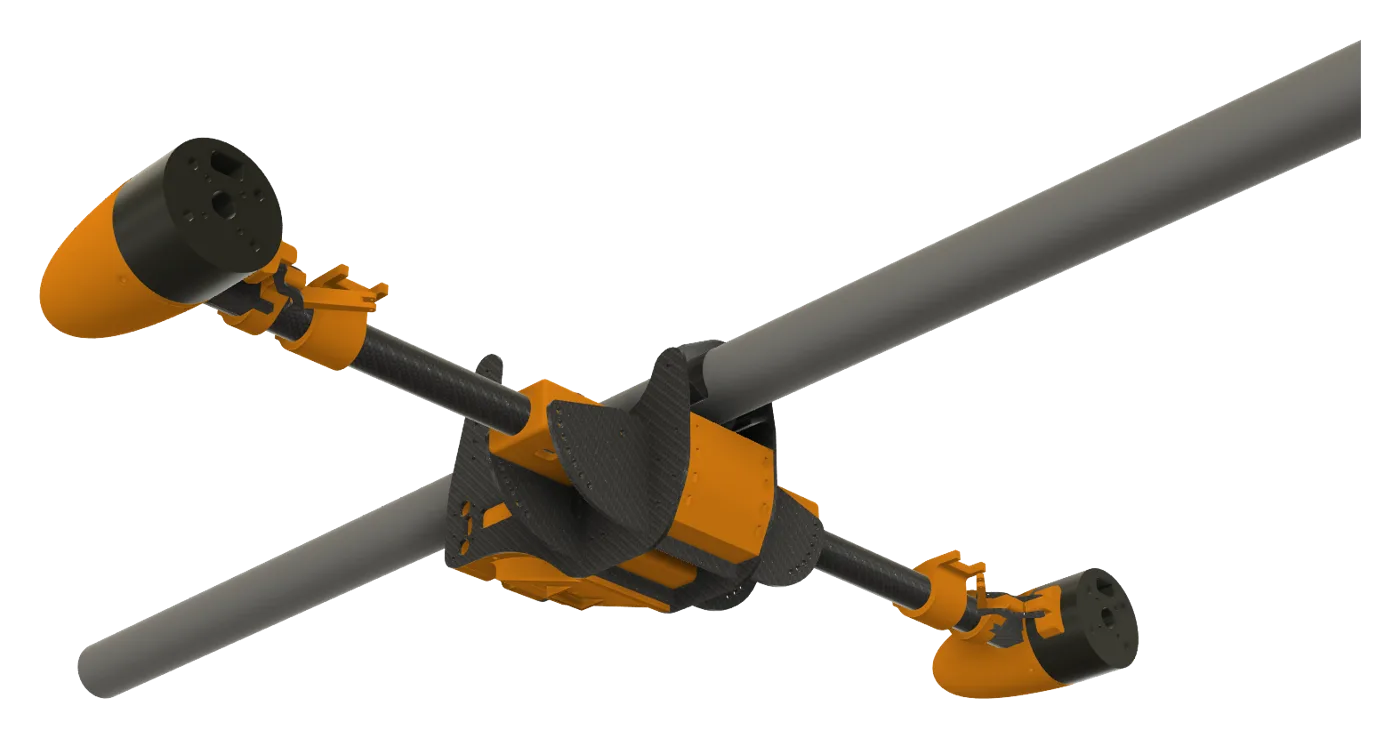
XTM twin-motor keel mount, Fusion 360 render
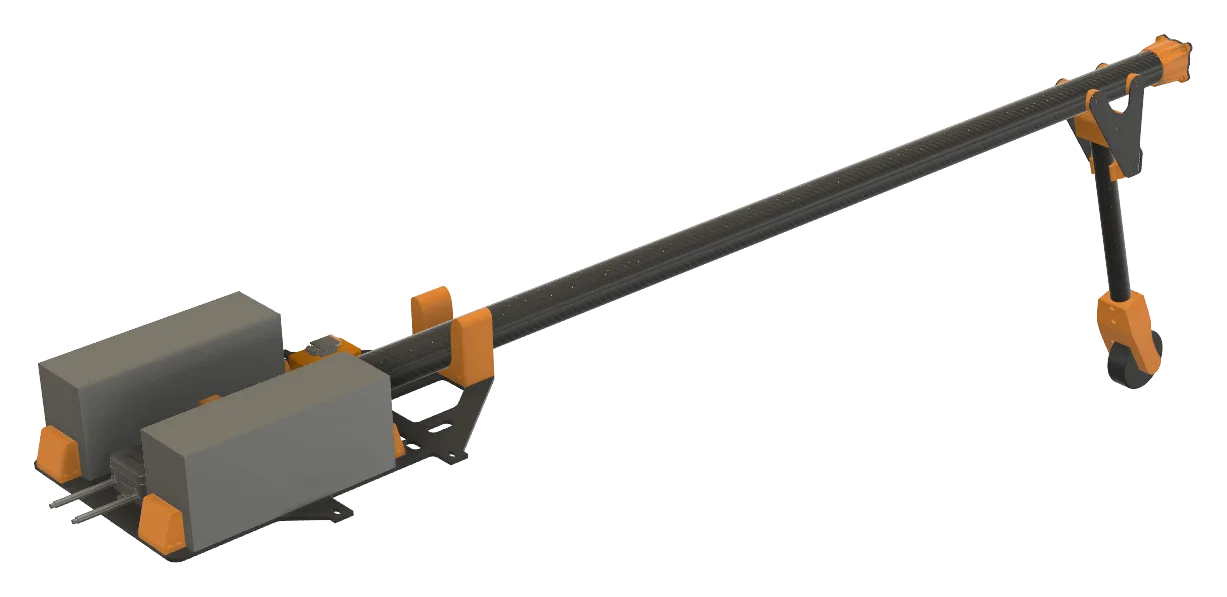
eHelp harness unit, Fusion 360 render

eHelp

Harness-mounted

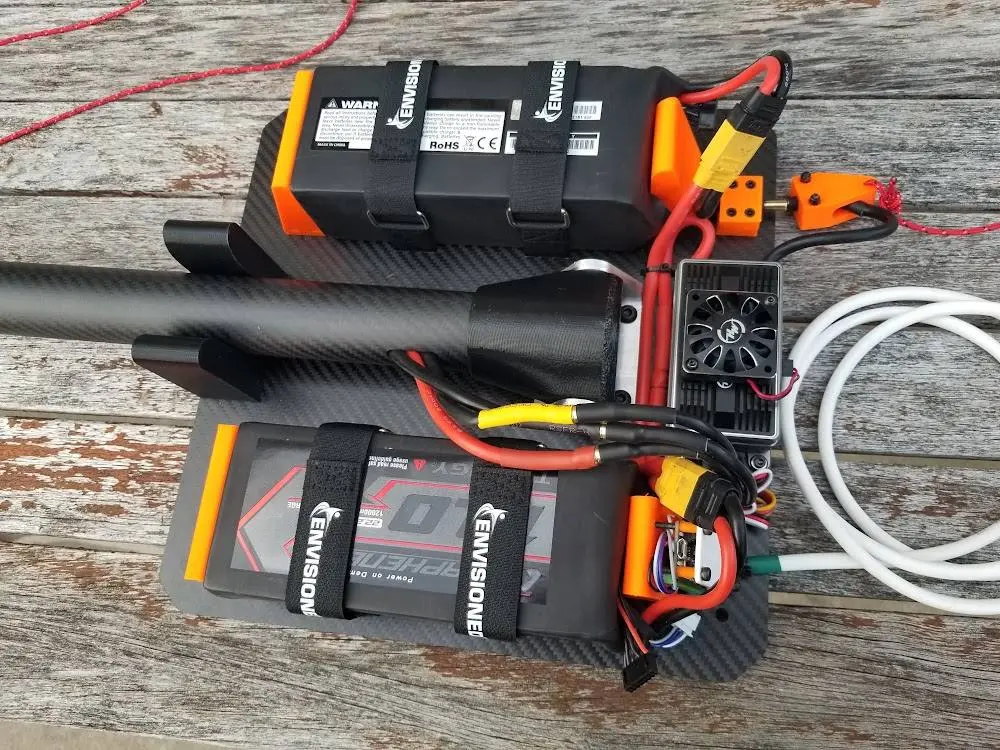
For beginner to intermediate gliders. A carbon backplate carries twin Tattu 25 Ah packs and the ESC; a folding carbon boom puts the prop behind you and a kickstand wheel keeps it off the ground.

2 × Tattu 25 AhHobbywing 260A HVESP32Folding boom
See the eHelp →
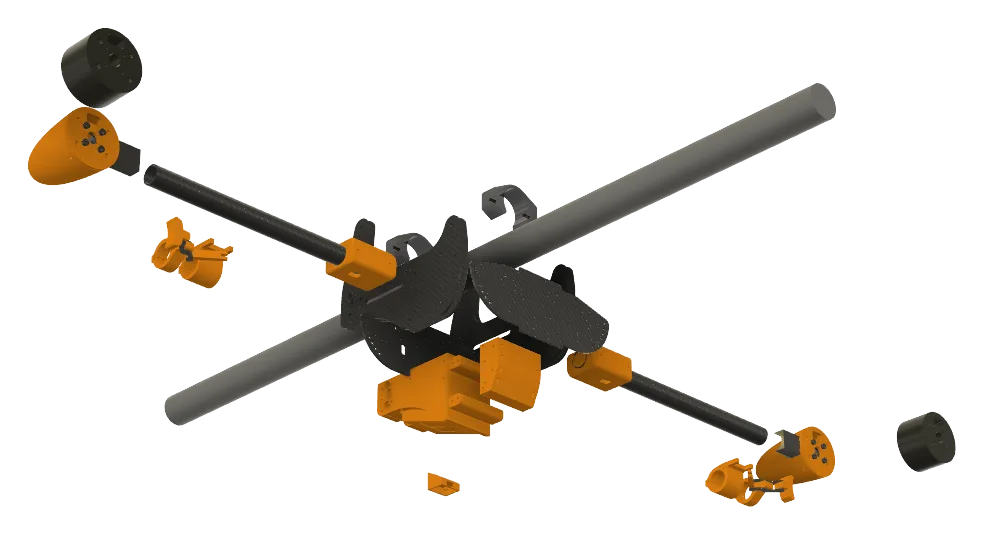
XTM exploded view

XTM

Twin · glider-mounted

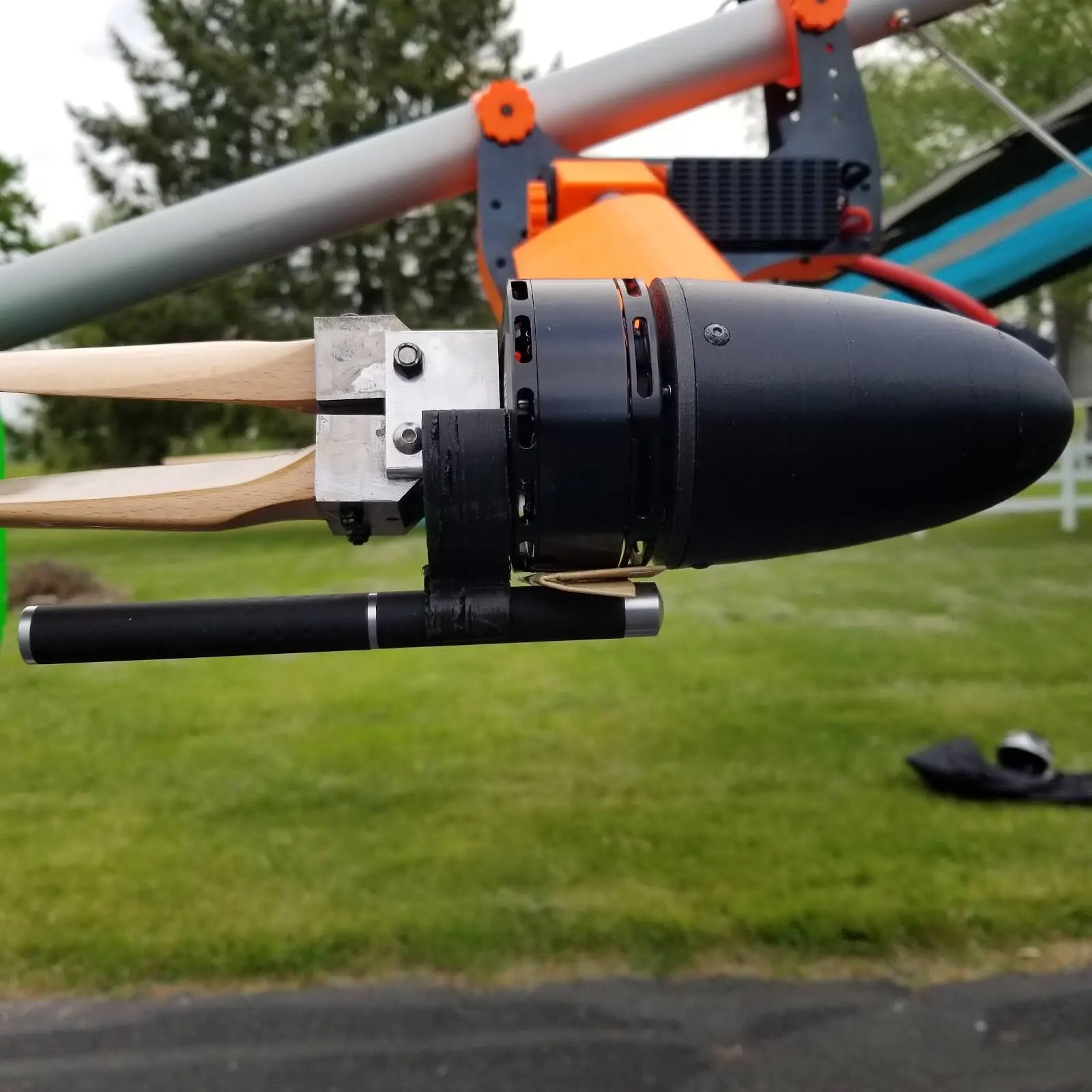
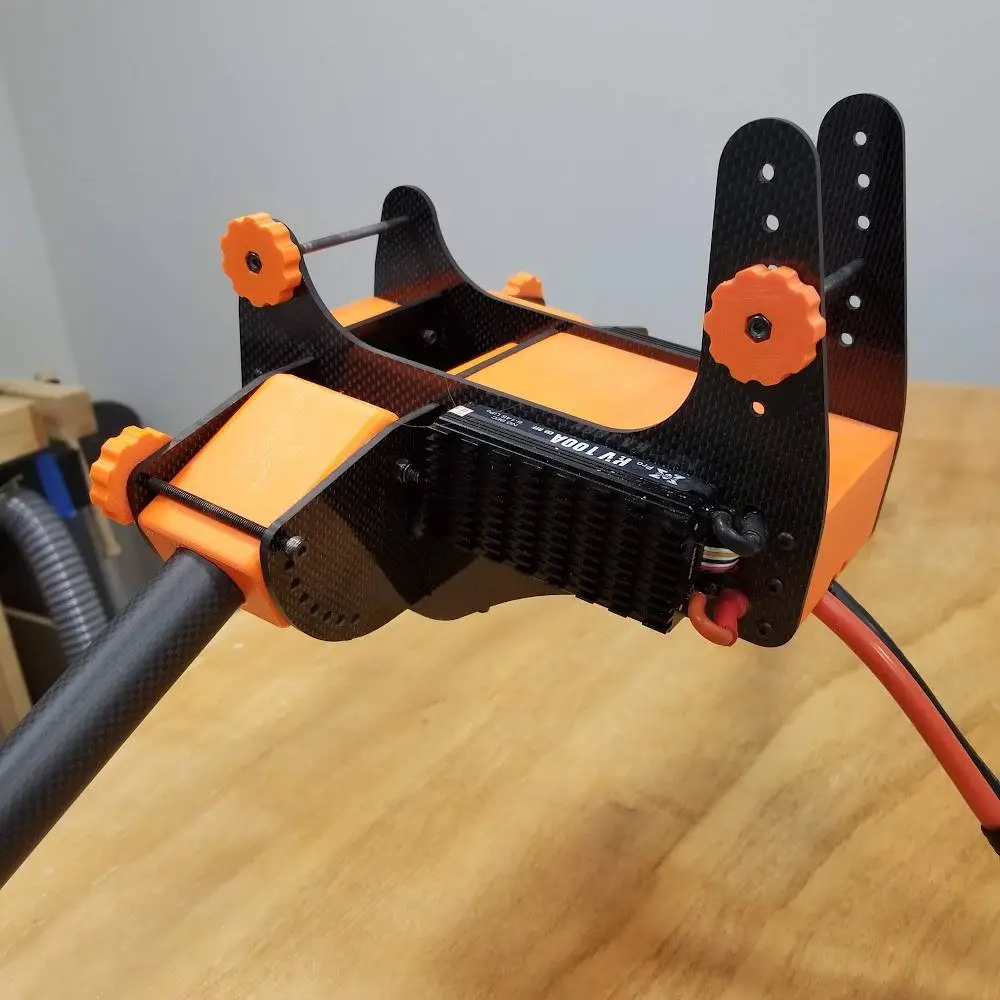
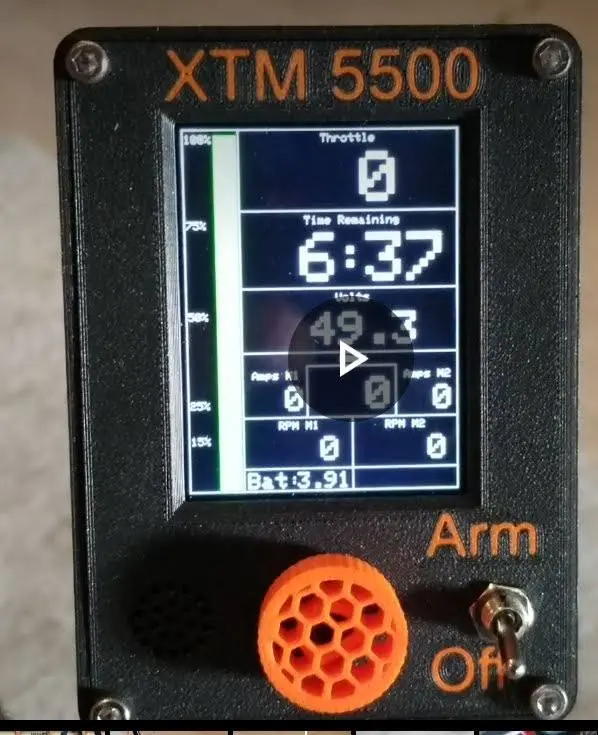
For high-performance gliders. Two motors on carbon swing arms bolt to the keel, with a servo prop brake, onboard IMU and the XTM 5500 handheld controller. Cart launch in development.

Twin motorsKeel bolt-onProp brakeXTM 5500 remote
See the XTM →

Built in the shop. Proven on the hill.

See the build log →
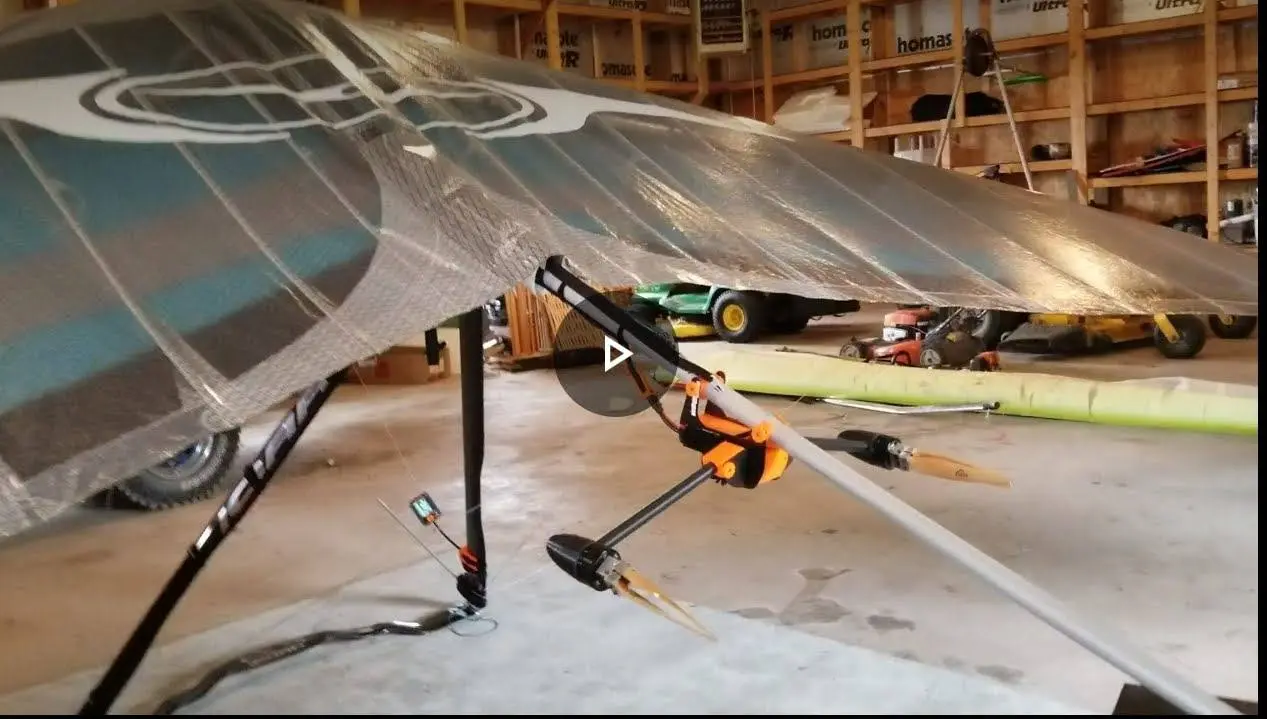
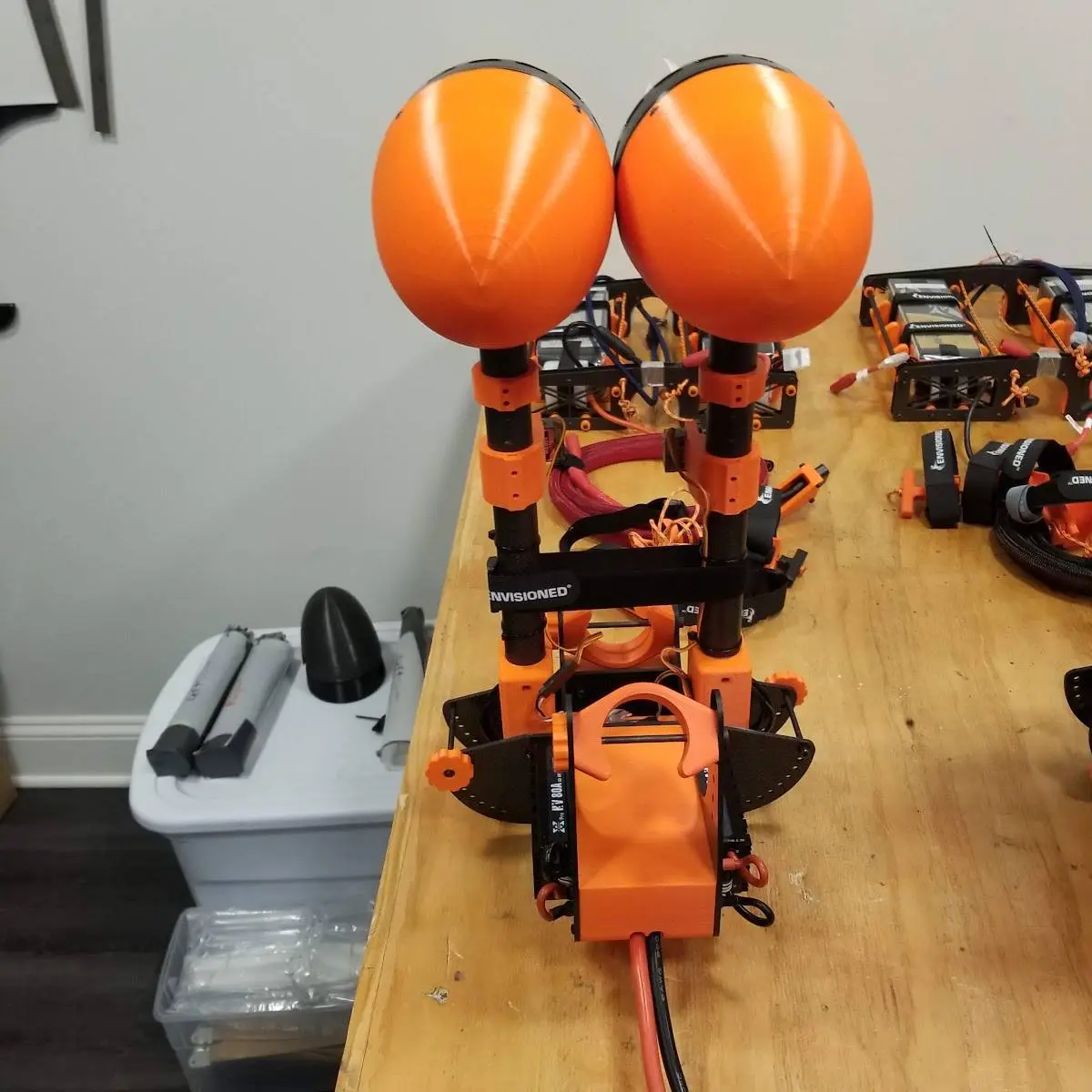
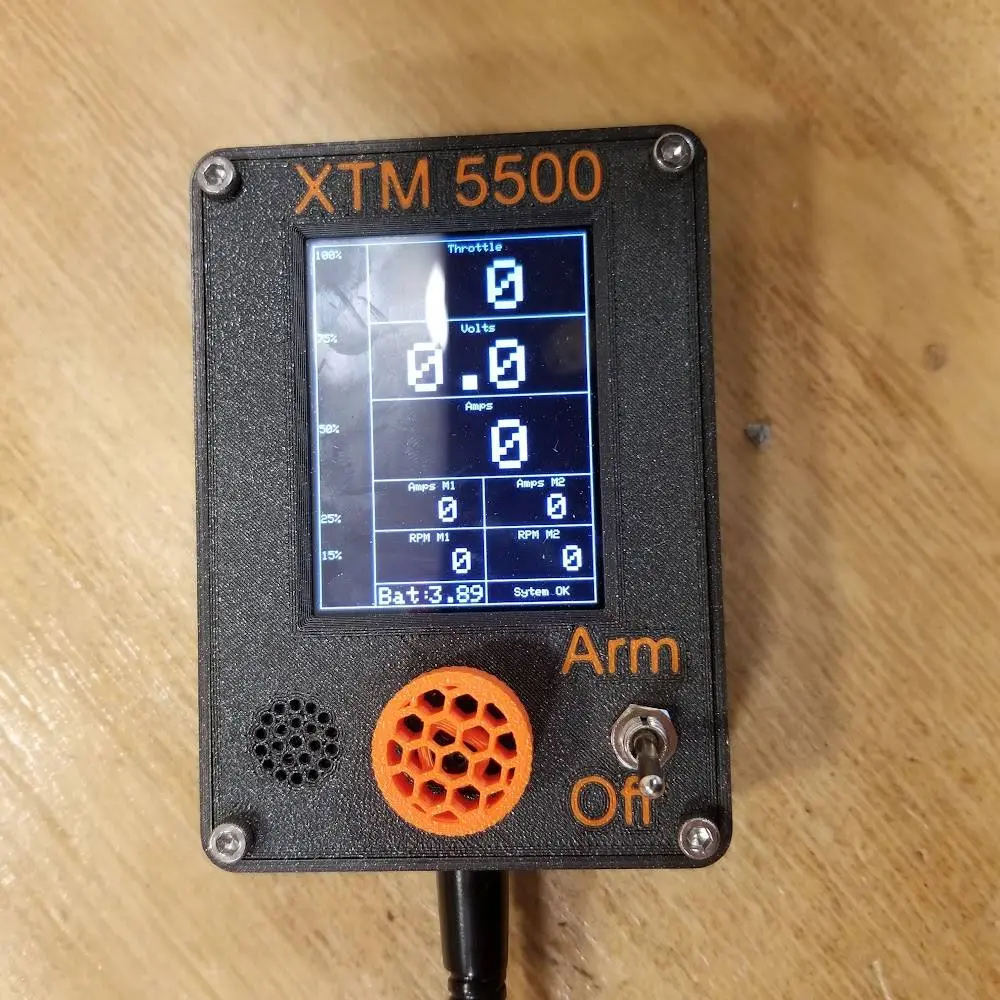
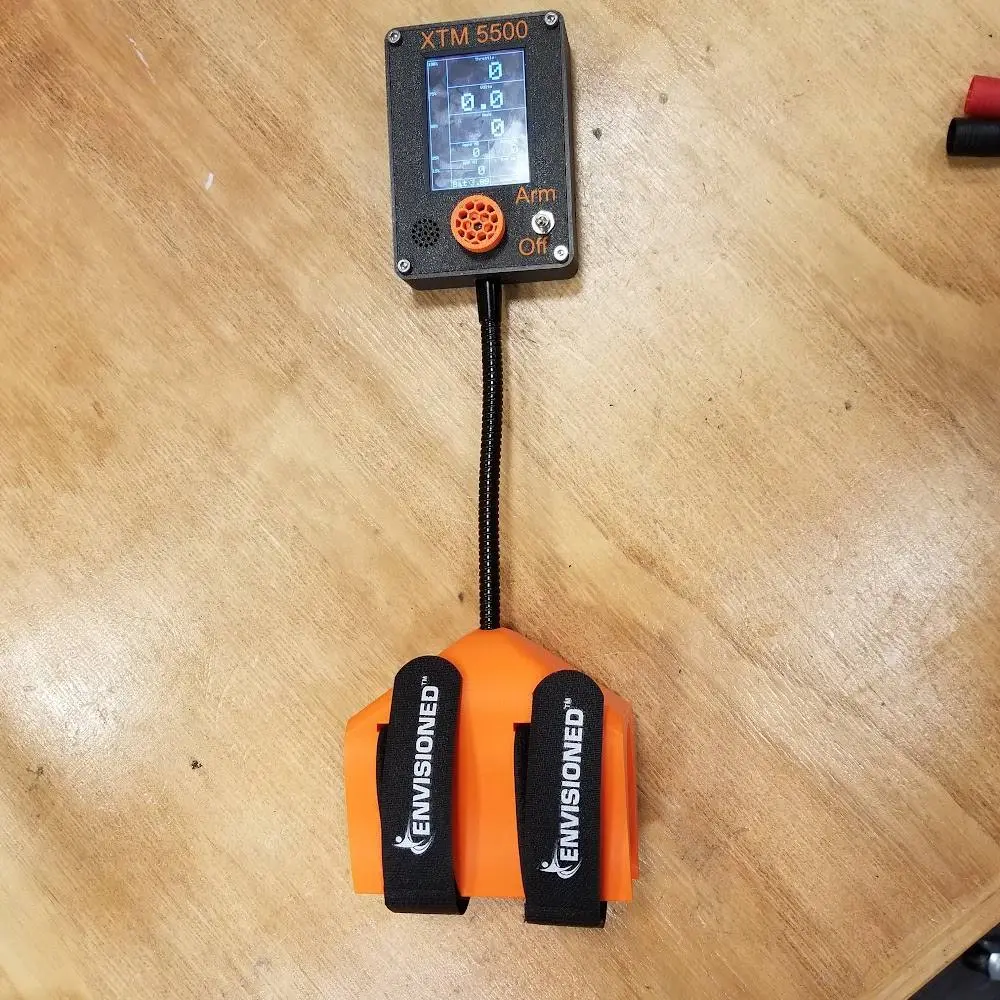
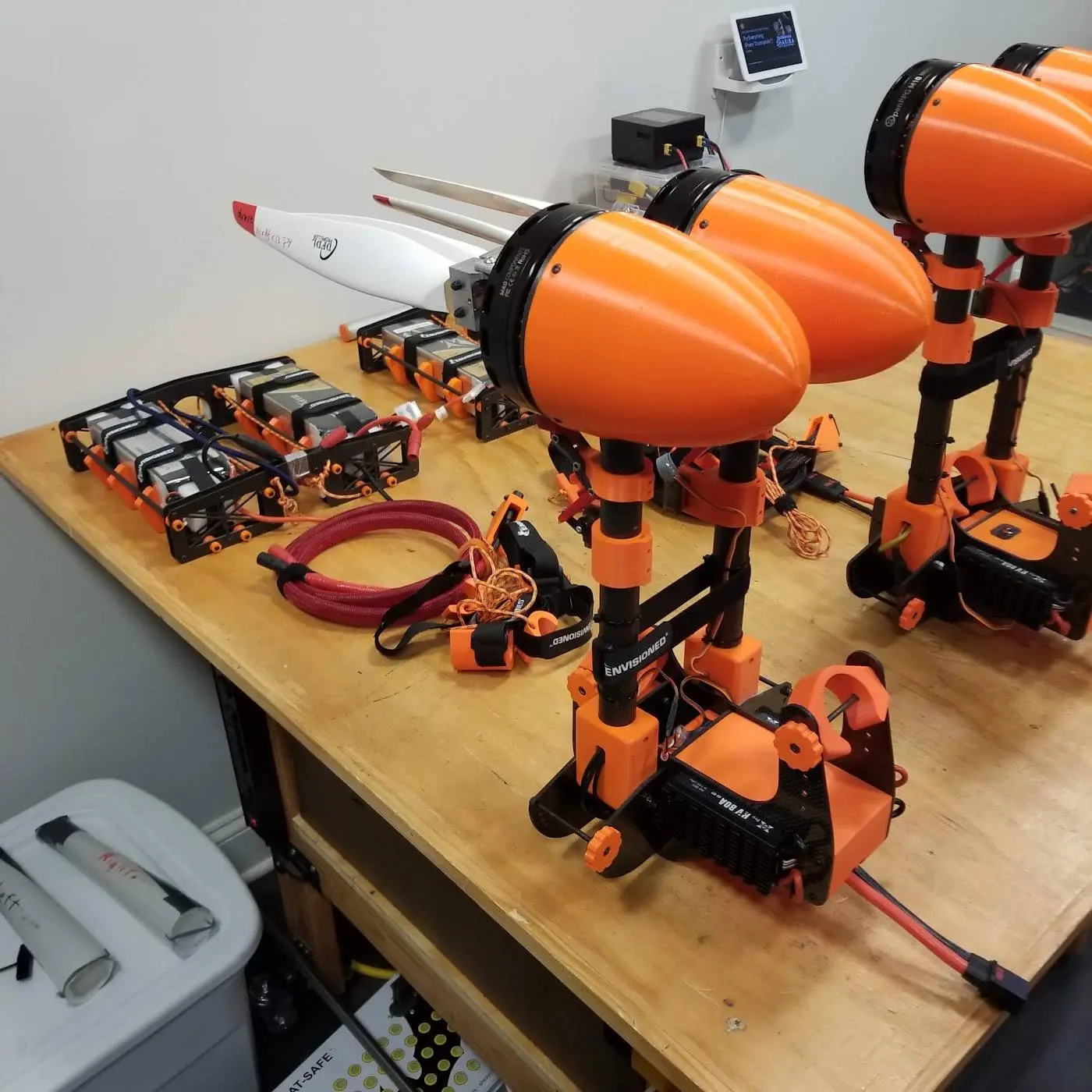
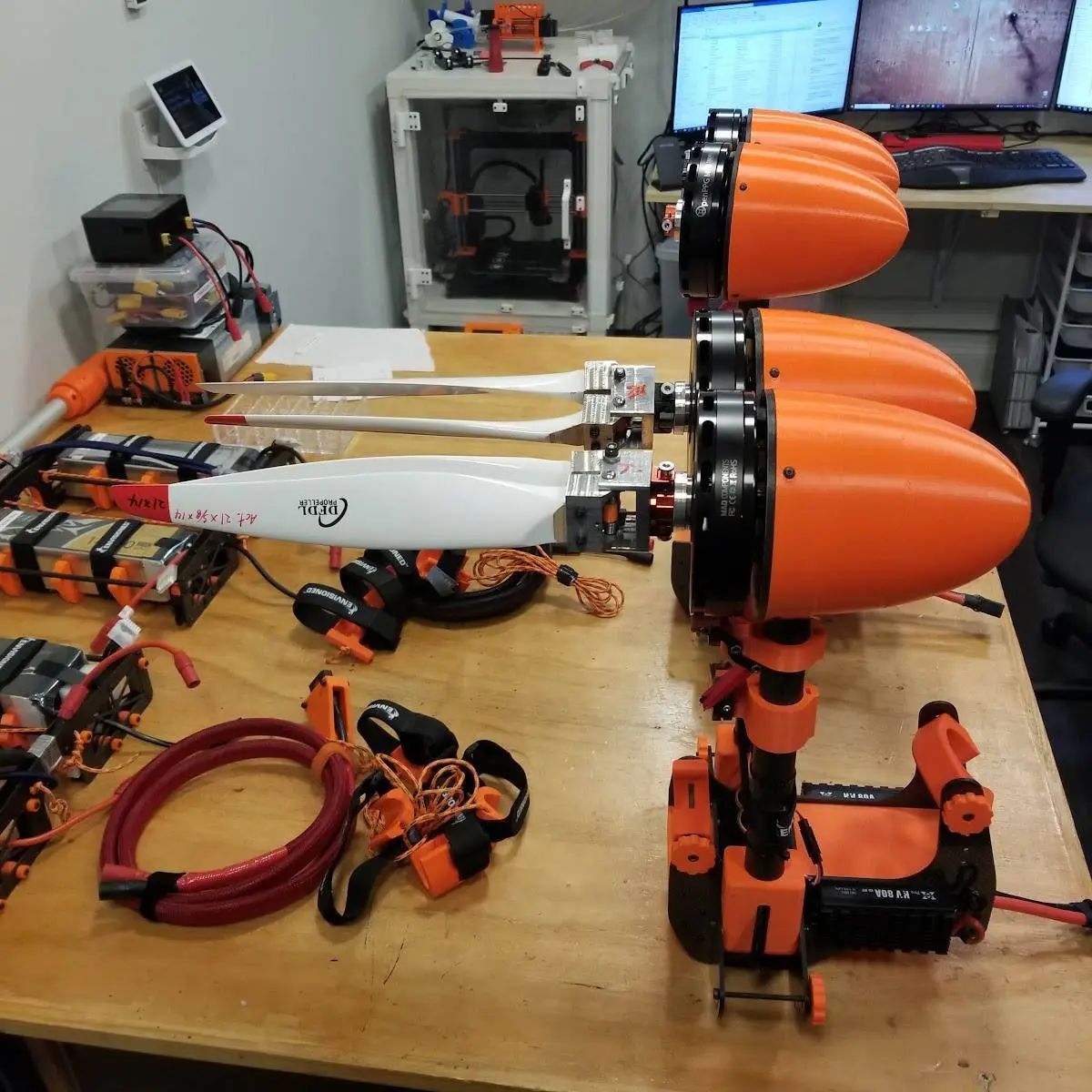
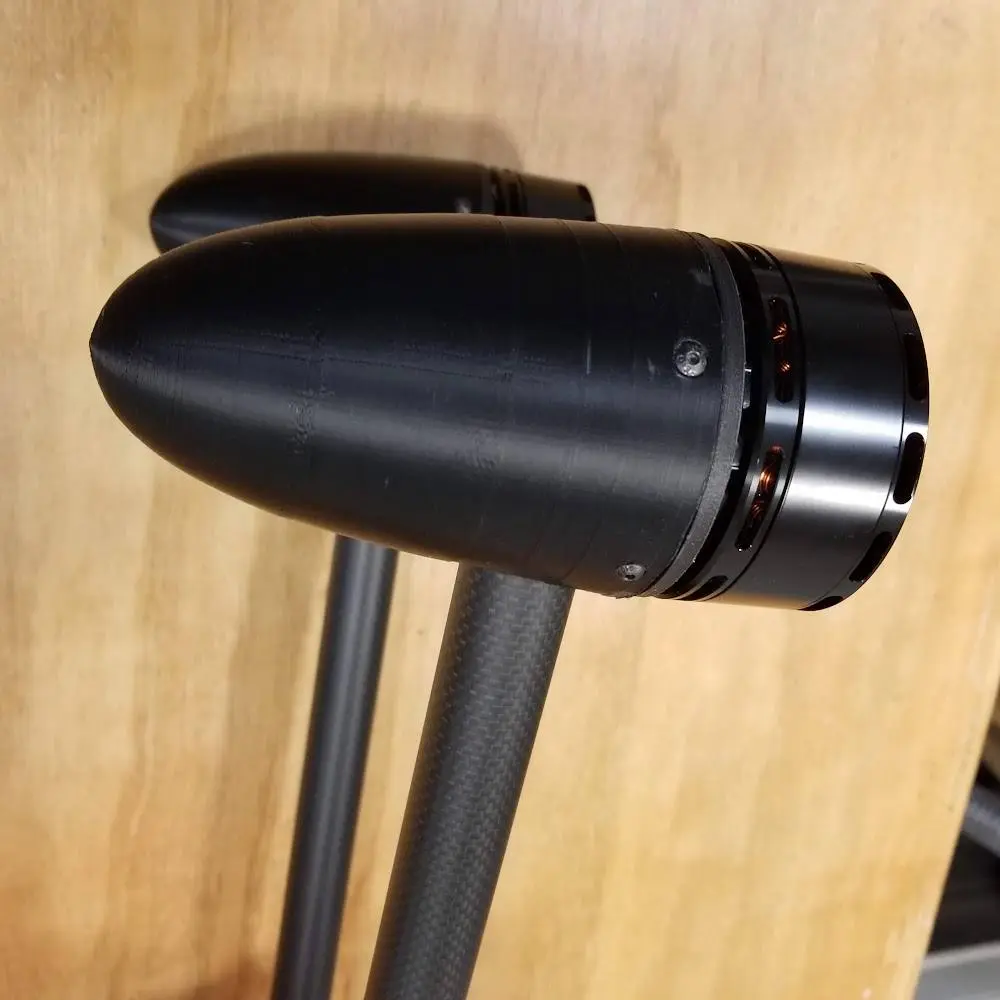
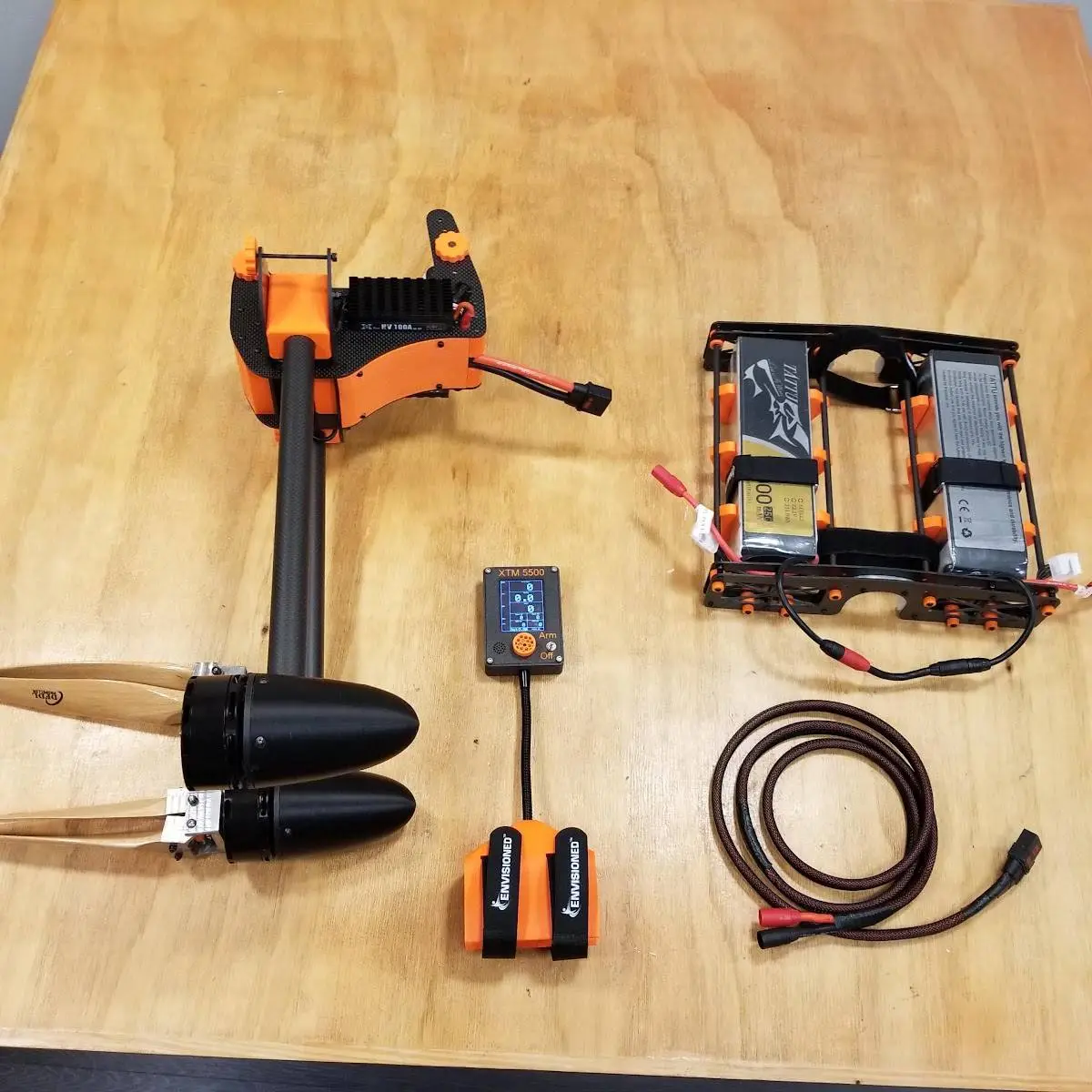
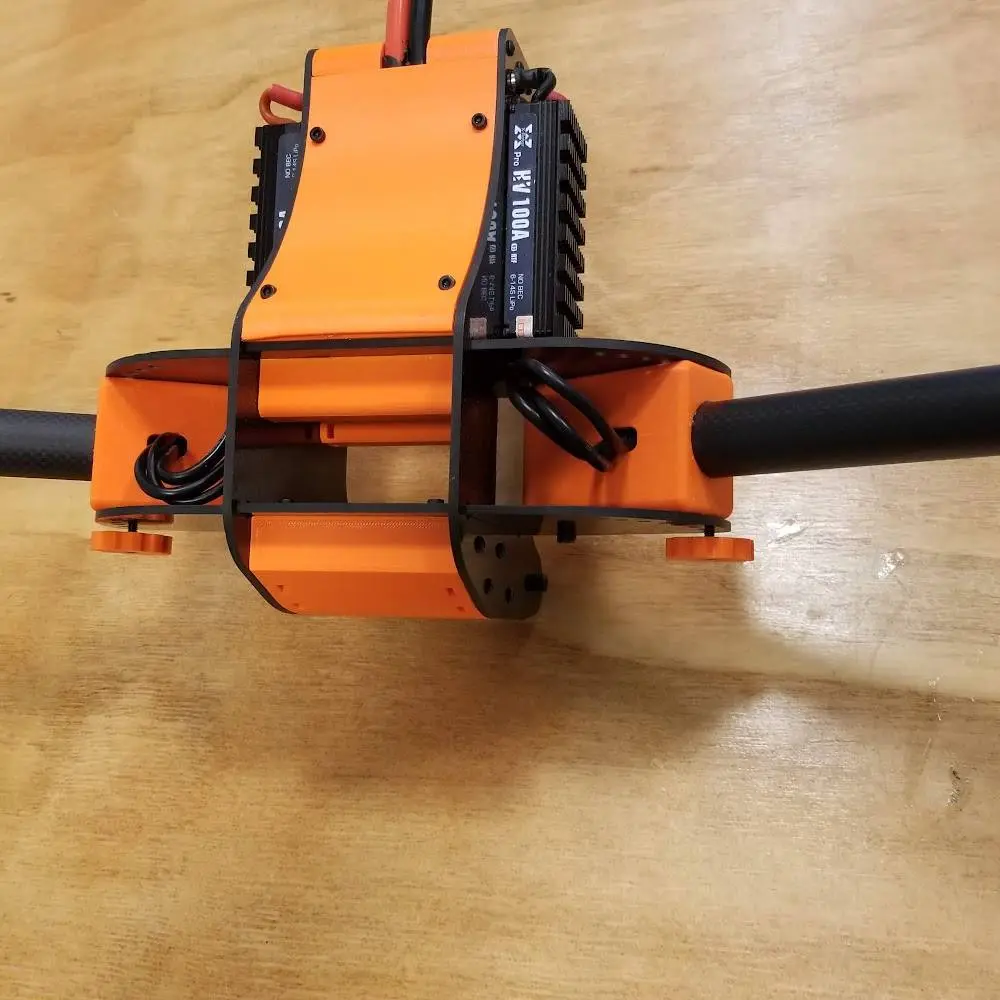
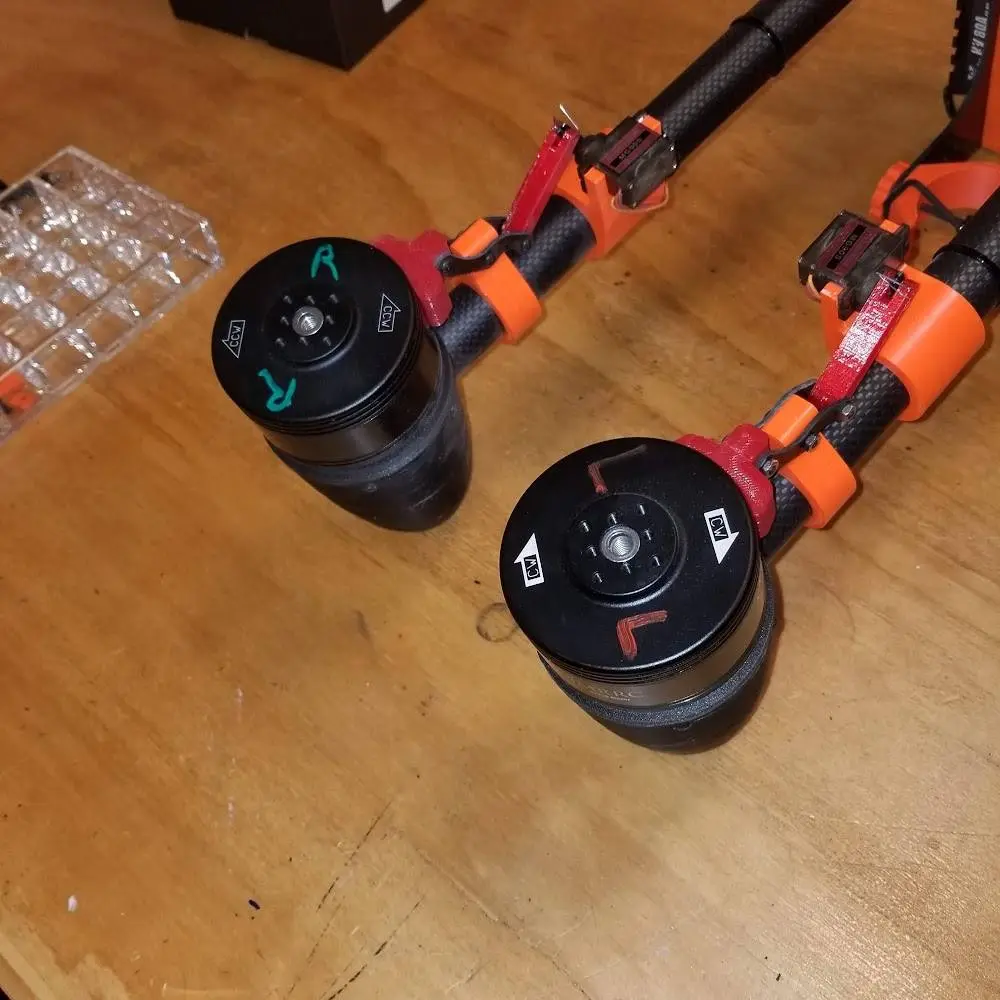
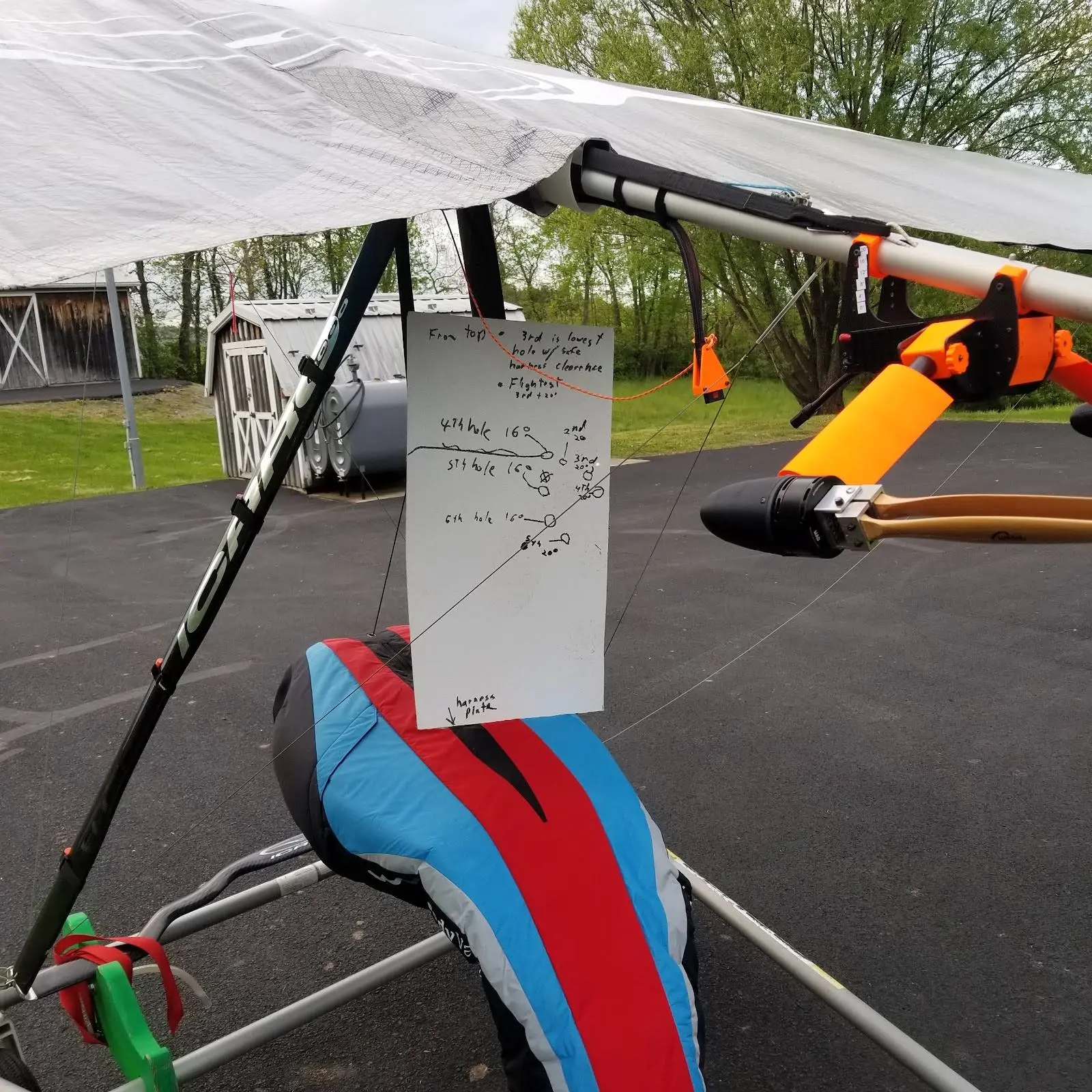
XTM nacelle fitted to a glider outdoors Glider in the hangar with the unit fitted Twin orange nacelles on the bench XTM 5500 controller display
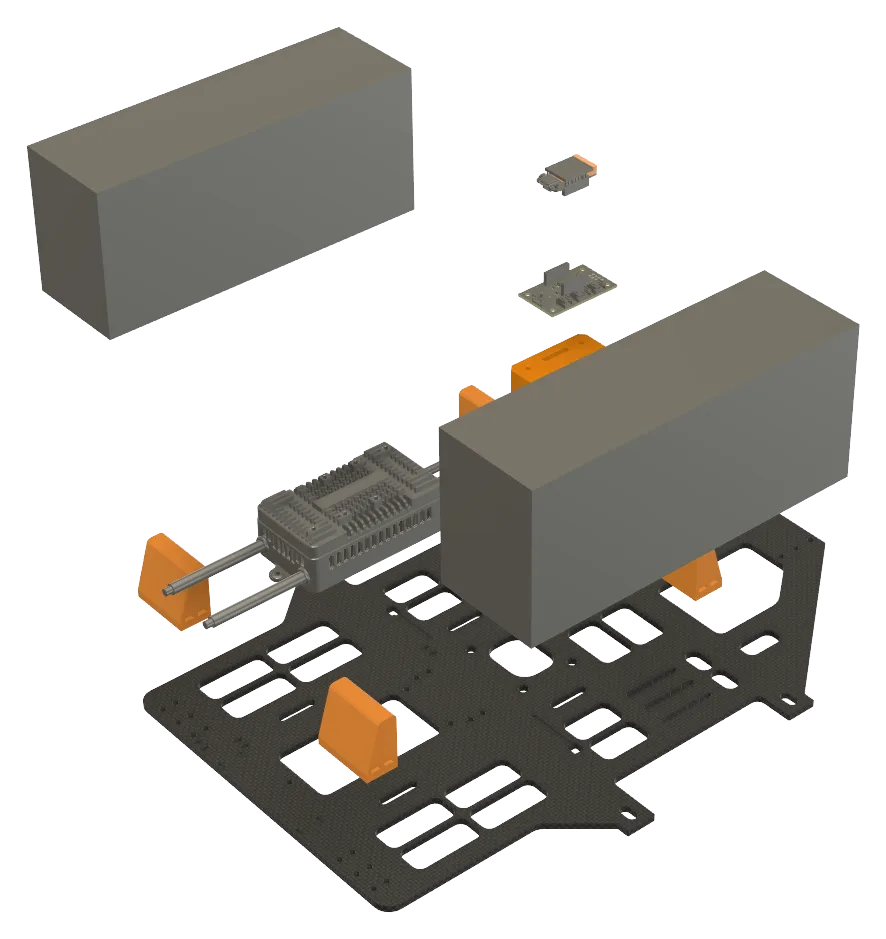
eHelp battery pack, exploded
Inside the eHelp pack

Every part is off the shelf or cut in-house.

  1. Carbon backplateCNC-cut, 300 mm
  2. Twin Tattu 25 Ah packsOn printed end supports
  3. Hobbywing Platinum 260A V5 HVSpeed controller
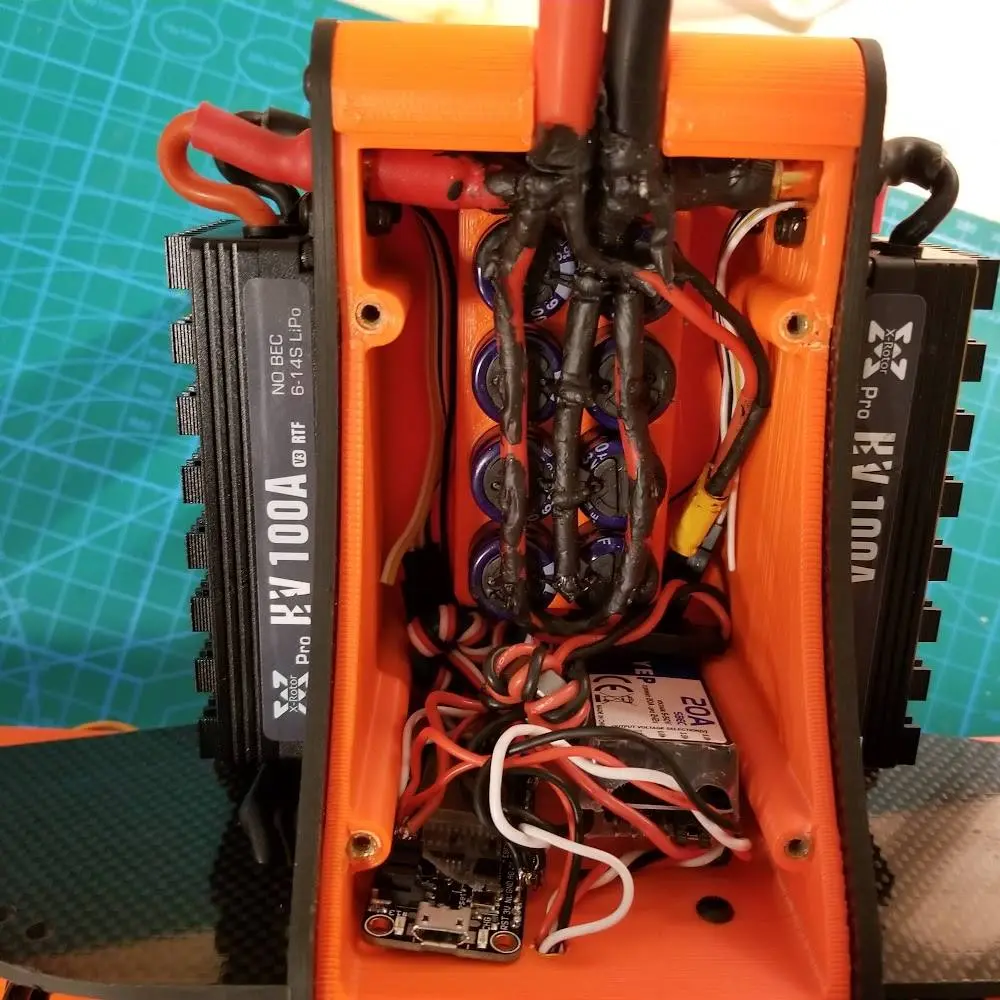
  4. ESP32 controllerIn its own printed carrier case
400+ fpm
climb rate under power
~30 kg
estimated thrust, Carbon eHelp
1,500 ft
climbed at Chestertown, MD, with battery to spare
20 min
flight time on a full charge

Thrust, altitude and flight time are for the 2020 Carbon eHelp, as reported in the project videos.

Harness-mounted · beginner to intermediate

eHelp

Wear the motor instead of bolting it to the wing. The eHelp rides on your harness, so it works with the glider you already fly.

eHelp assembled, Fusion 360 render

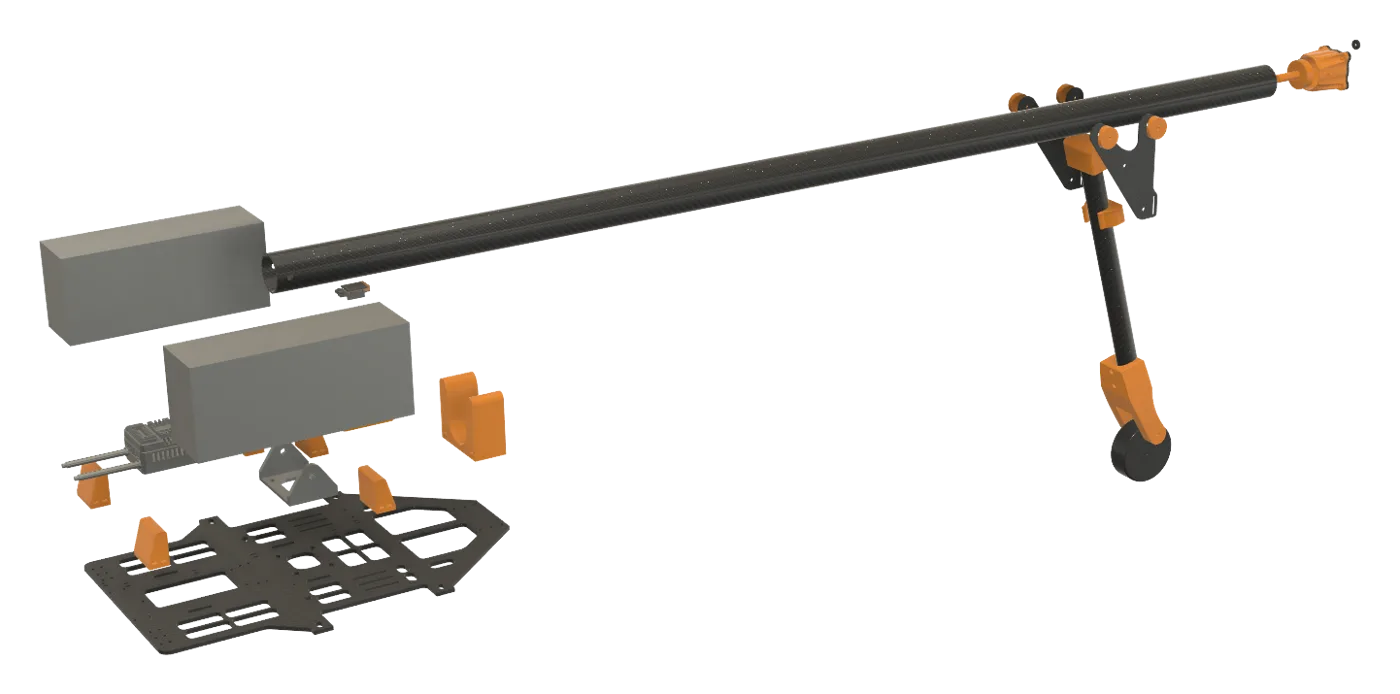
Pulled apart

Exploded view from the Fusion 360 assembly
eHelp full exploded view
What's in the box

Twelve parts, one strap-on unit.

  1. Master carbon plate300 mm, CNC-cut, lightened with R5 cutouts
  2. Battery supports × 4Printed ABS, hold two packs flush to the plate edge
  3. Tattu 25 Ah × 2Off-the-shelf LiPo
  4. Hobbywing Platinum 260A V5 HVMounted on the plate centreline
  5. ESP32 carrier caseCustom PCB and display, printed case
  6. Tube holder + back tube supportLocate the boom on the plate
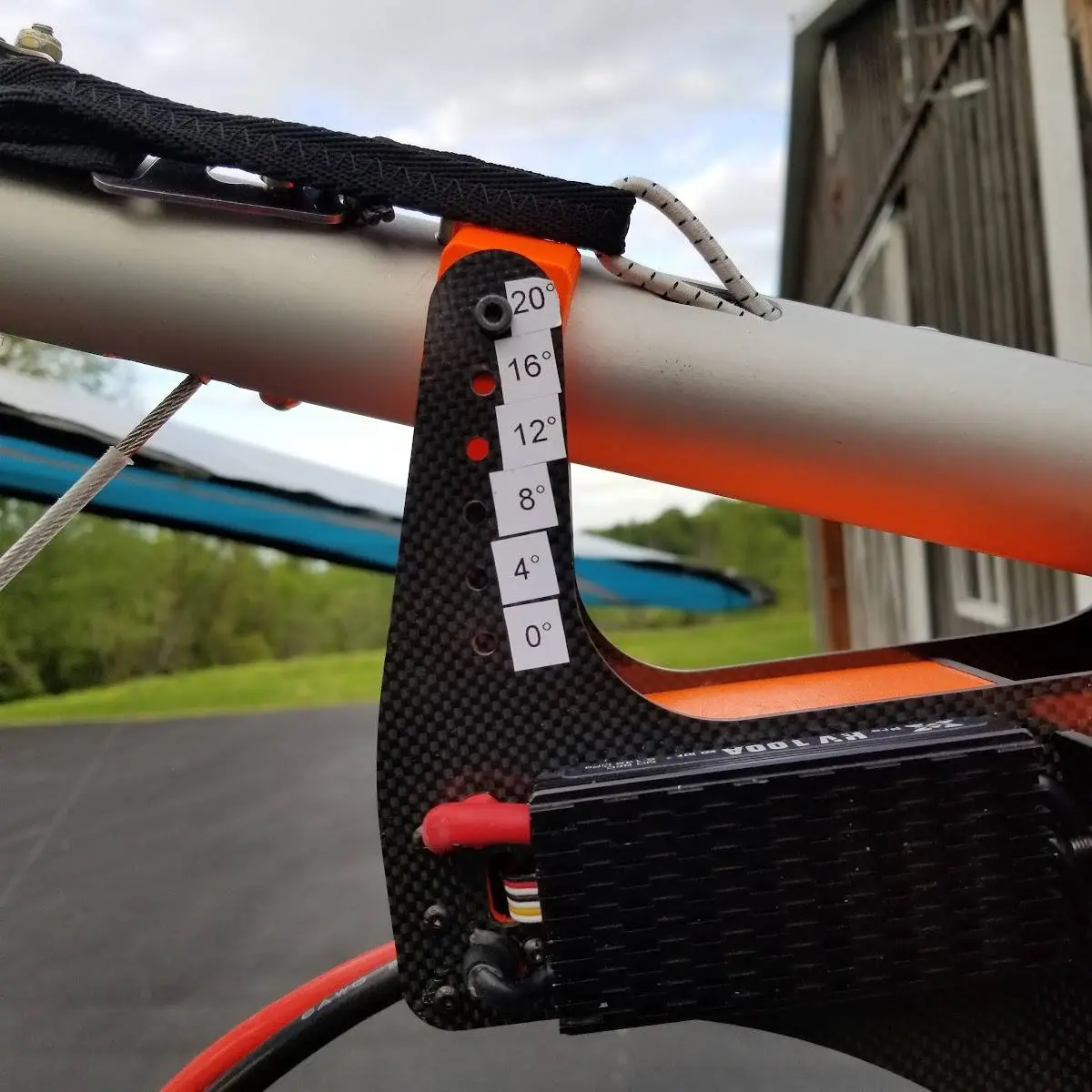
  7. Folding carbon boomStopper block sets the flight angle
  8. Motor mountCarbon plate, bracket and washer at the boom tip
  9. Folding kickstandCarbon side plates, rotating block, skid and wheel
eHelp pack exploded view

Specifications

2026 Carbon Mini build, with measured figures from the 2020 Carbon eHelp
ItemCarbon Mini (2026)Carbon eHelp (2020, measured)
Pilot levelBeginner to intermediateBeginner to intermediate
MountingPilot harness, folding boomPilot harness
Battery2 × Tattu 25 Ah12S (2 × 6S) Tattu 25 Ah HV
ESCHobbywing Platinum 260A V5 HV—
ControllerESP32, custom carrier board—
Thrust[kg]~30 kg (estimate)
Weight[lb]22 lb
Flight time[min]20 min
Climb rate[fpm]300–400 fpm, 100–200 fpm as voltage sags
Altitude per charge[ft]1,250 ft on a 145 Falcon 3
Current draw[A]162 A
Parts cost[$]Under $2,500 incl. batteries and chargers

From the workshop

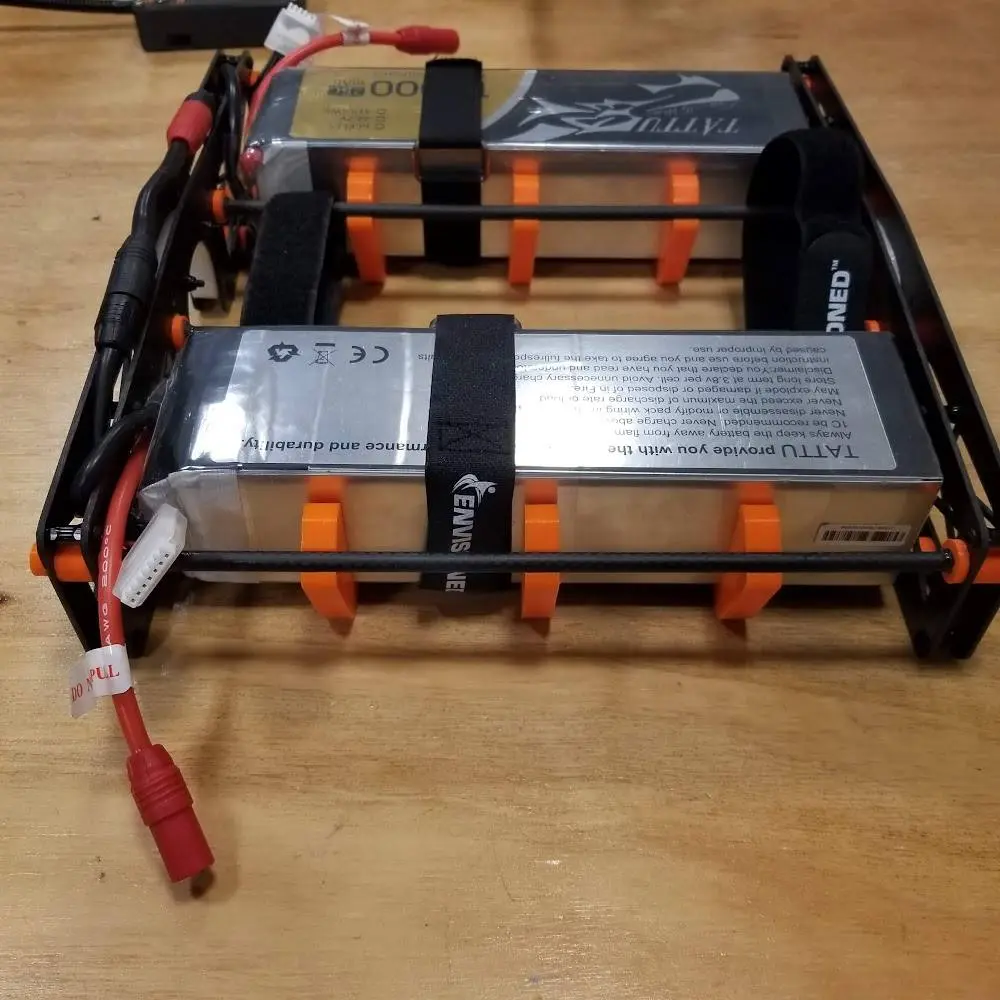
Battery pack frame on the bench
Battery frame, bench fit
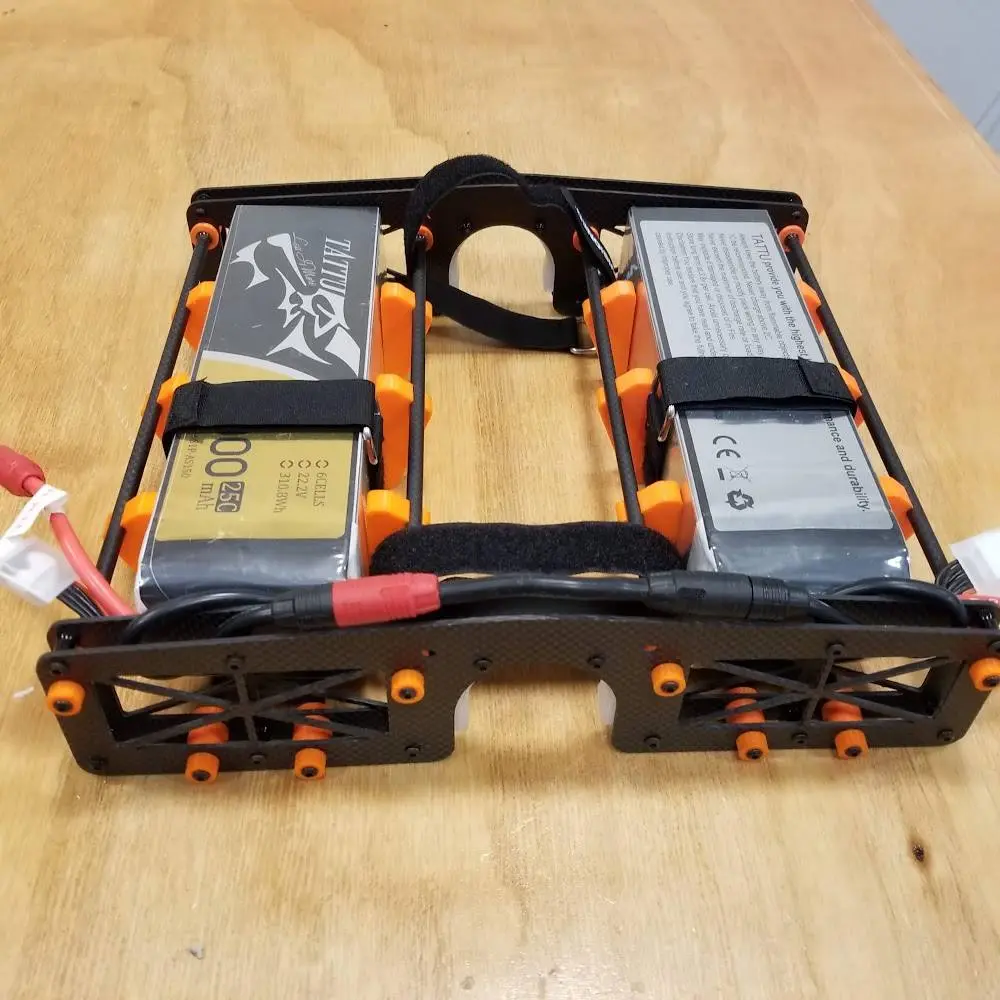
Battery pack frame with packs
Twin packs in the frame
Batteries and ESC wiring
Pack and ESC wiring
ESC wiring inside an orange case
ESC case wiring
Twin · glider-mounted · high performance

XTM

Two motors on carbon swing arms, clamped to the keel. Climb out, then brake the props and glide clean.

XTM assembled on a keel section, Fusion 360 render

Pulled apart

Keel plates, swing arms, nacelles and brake, mirrored pair
XTM exploded view
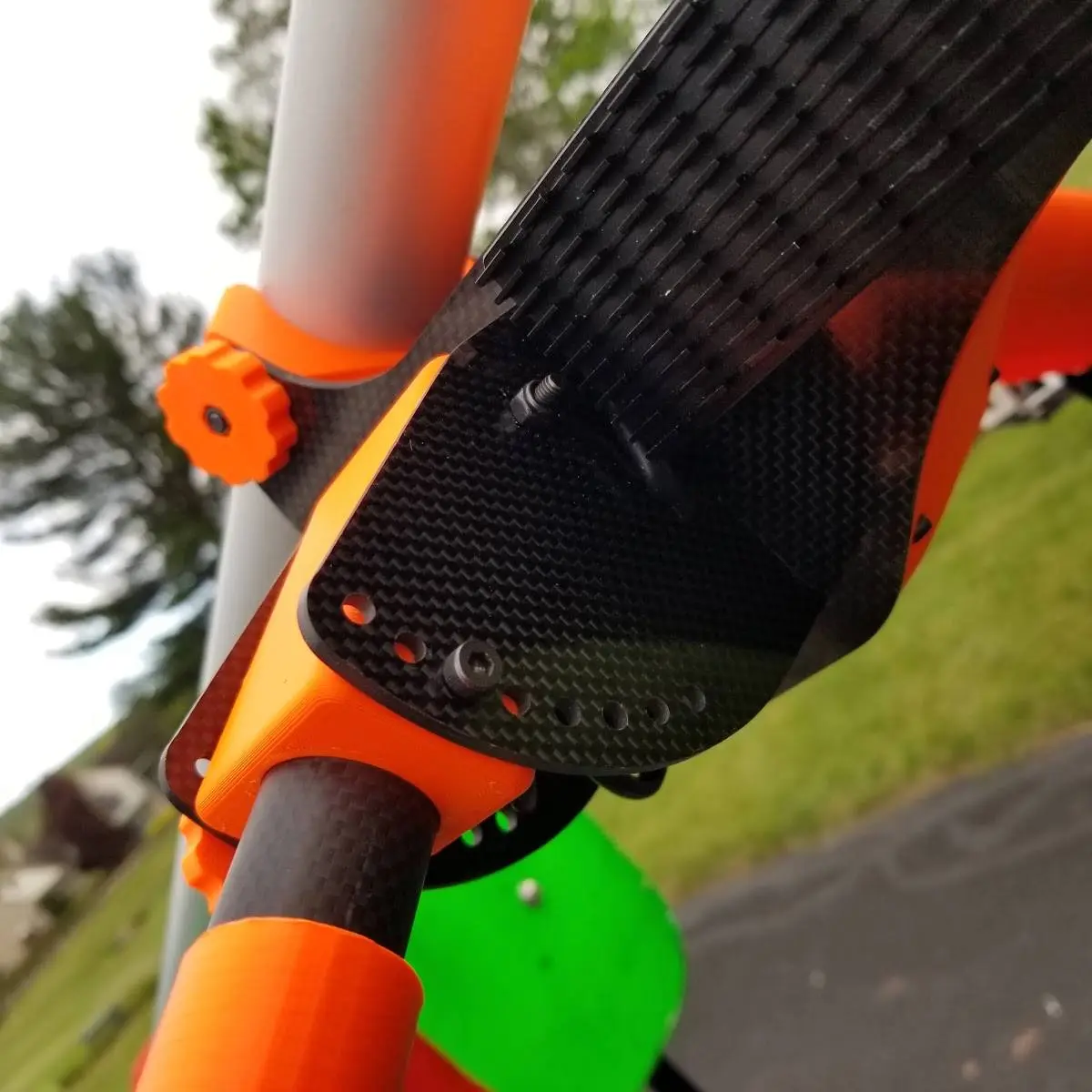
Keel mount plates on the glider

Keel bolt-on

Carbon plates clamp either side of the keel tube. No airframe modification.

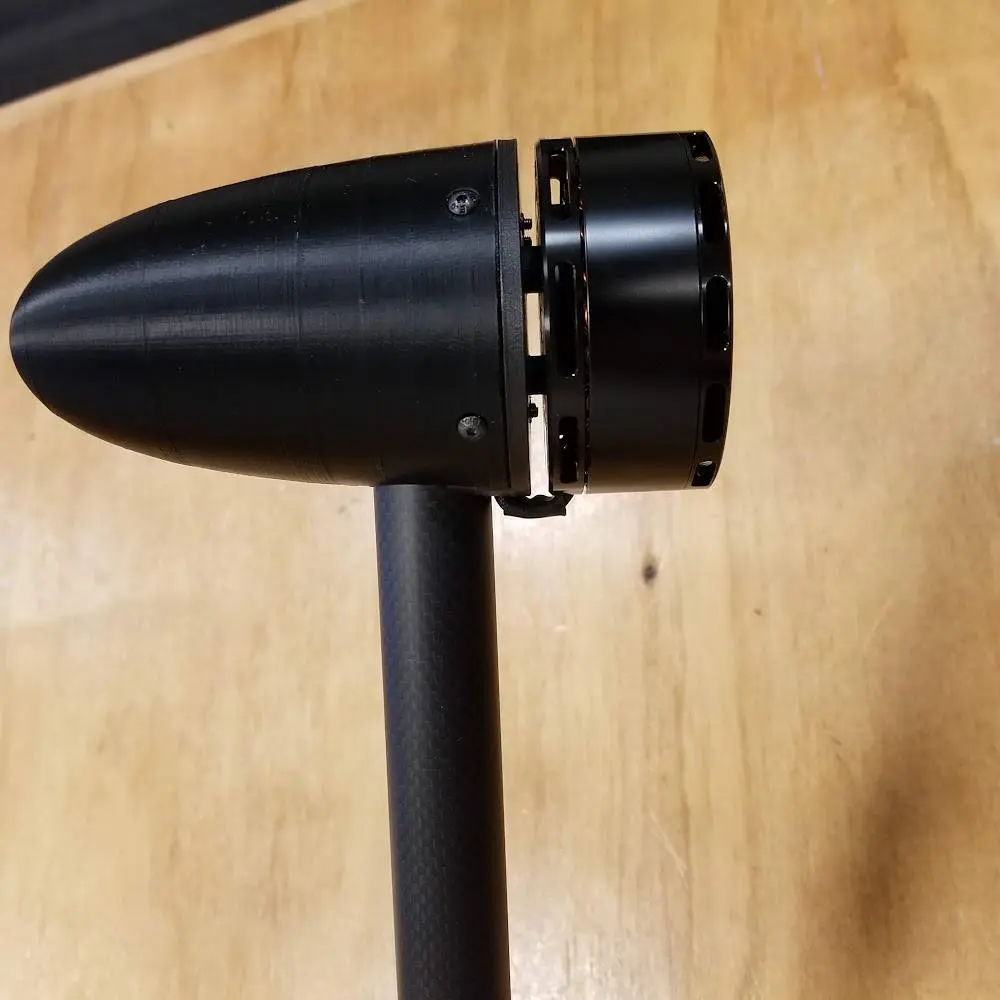
Motor nacelle on a carbon arm

Twin nacelles

One motor per side on a carbon swing arm, faired by a printed nose cone.

Mount with brake hardware

Prop brake

A servo-driven pad stops the prop so it folds for gliding.

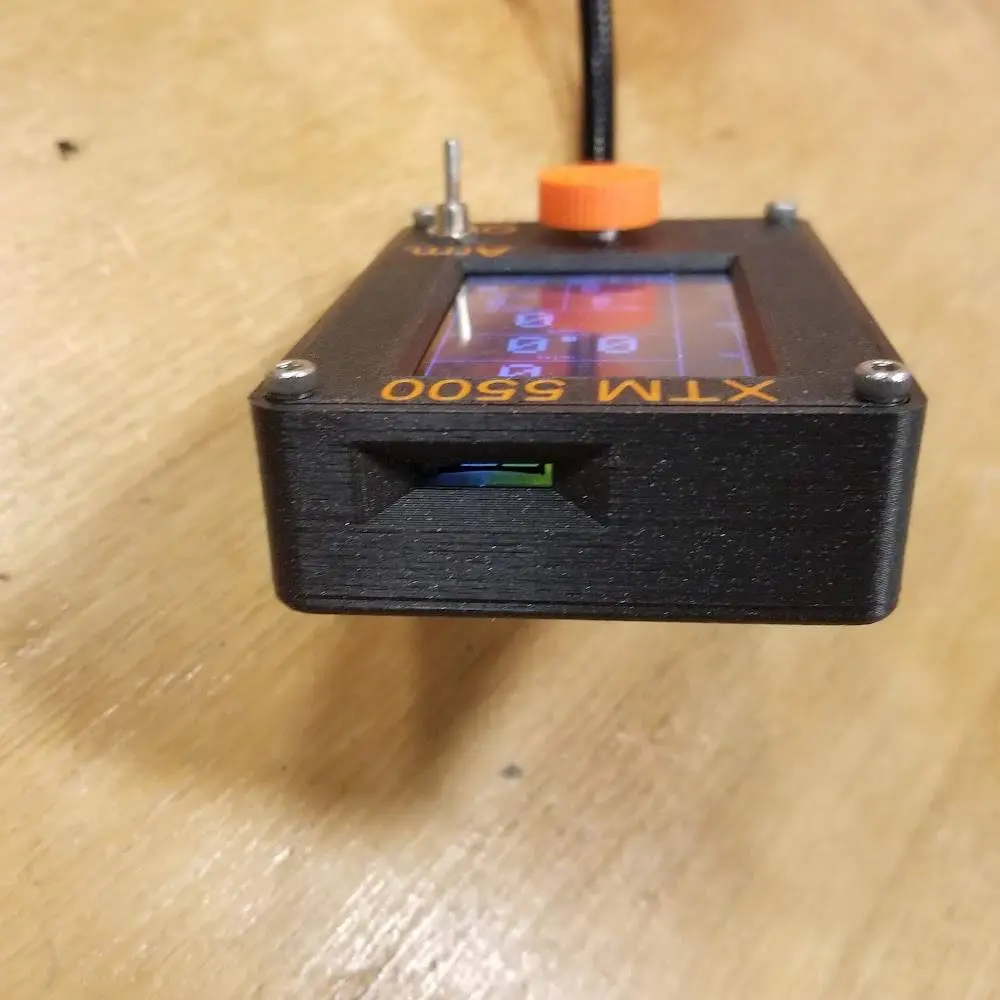
XTM 5500 controller

Everything on one screen.

An ESP32 handheld shows throttle, time remaining, battery voltage and motor data, with an arm switch and a mouth-throttle option.

ThrottleTime remainingBatteryArm / offIMU
XTM 5500 controller front XTM 5500 controller running Controller with throttle Controller enclosure

Specifications

From the Z9 model and the project videos
ItemXTM
Pilot levelHigh-performance gliders (flown on Laminar Z8 and Z9)
MountingBolt-on keel clamp: two holes, about 30 minutes to fit on launch
Motors2 × M10 (upgraded Feb 2022)
ESCs2 × FlyColor 160A, DShot telemetry (2026)
LoggingBarometric altimeter, GPS, IMU for pitch and roll
ControlESP32, XTM 5500 handheld, wireless mouth throttle
BrakeServo prop brake
Added weight15.5 lb (first 2020 version)
LaunchFoot launch · powered cart (in testing)
Battery[PACK]

On the bench and on the wing

Nacelles on the workbench Workbench with twin units and propellers Nacelle close-up Carbon clamp on the glider Full kit laid out ESC mount on the tube Motors on the bench Glider on the driveway before a test
In testing

The XTM launch cart.

An electric cart that gets the glider up to launch speed from flat ground. It's already passed 25 mph in testing, with room to reach 35–45 mph.

Progress
  1. Nov 2024 · first progress reportCart build under way
  2. May 2026 · walkthroughDrivetrain, steering and first test runs
  3. 25+ mph reachedTarget 35–45 mph
  4. ESP32 cart controllerDisplay holder and throttle slider

Cart videos

The whole story, oldest first

Videos

YouTube channel ↗
2019 to today

Build log

From a thrust test stand in 2019 to a launch cart in 2026. Every milestone links to its video.

In the workshop

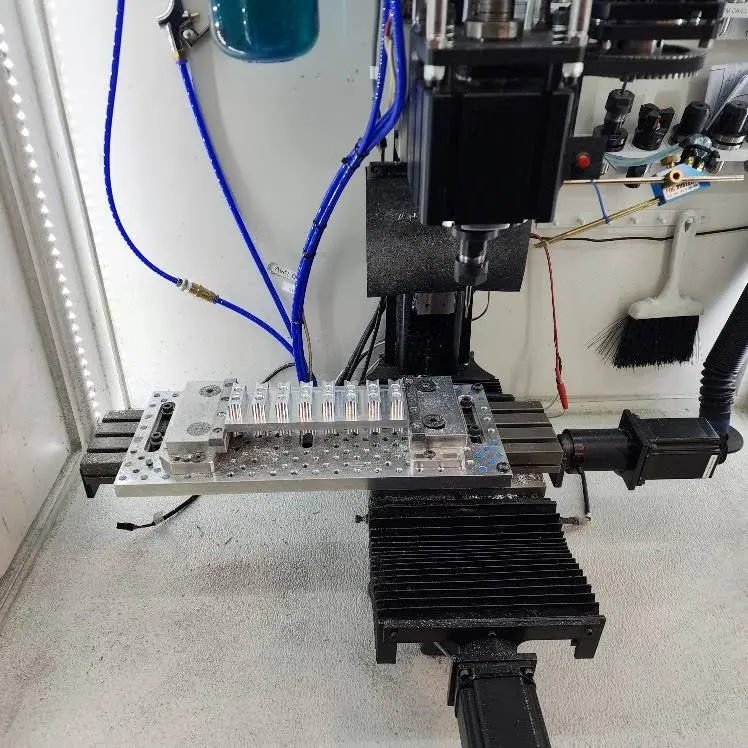
CNC mill used to cut plates
The CNC that cuts every plate
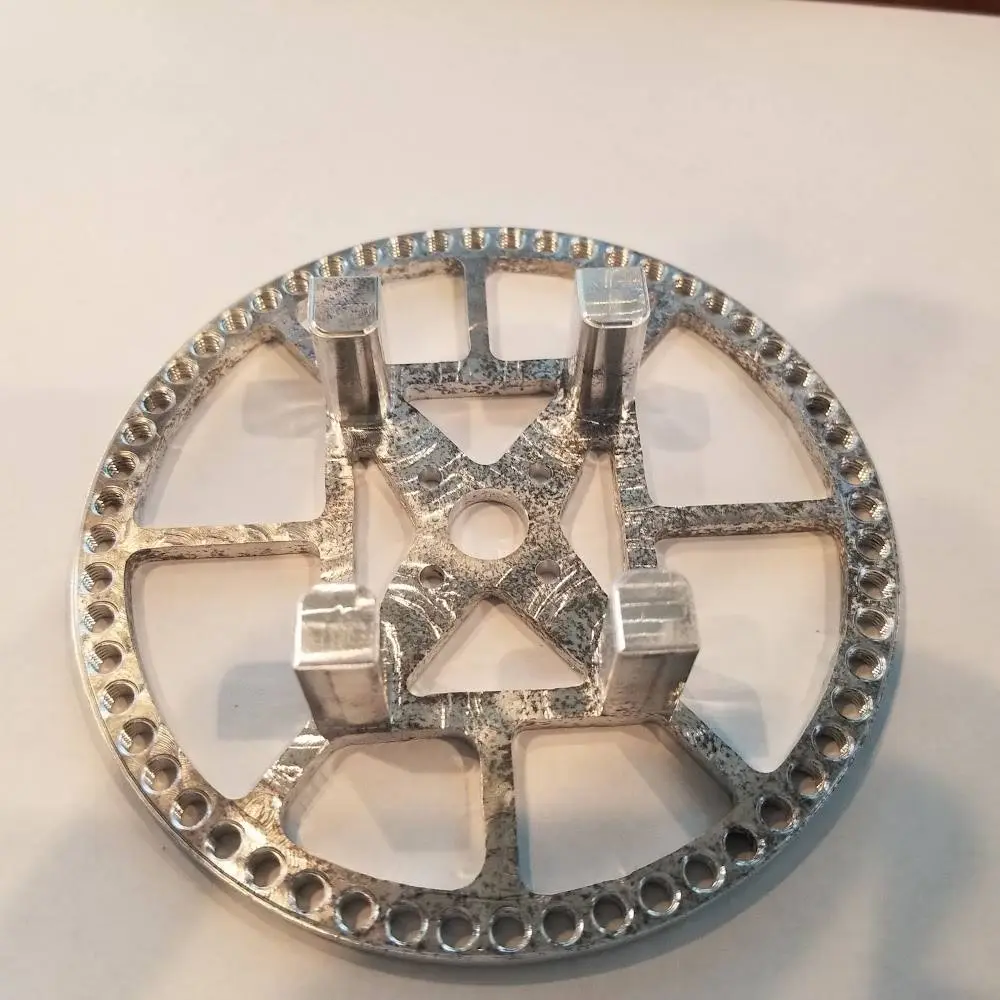
Machined aluminium hub
Machined hub, early prop work
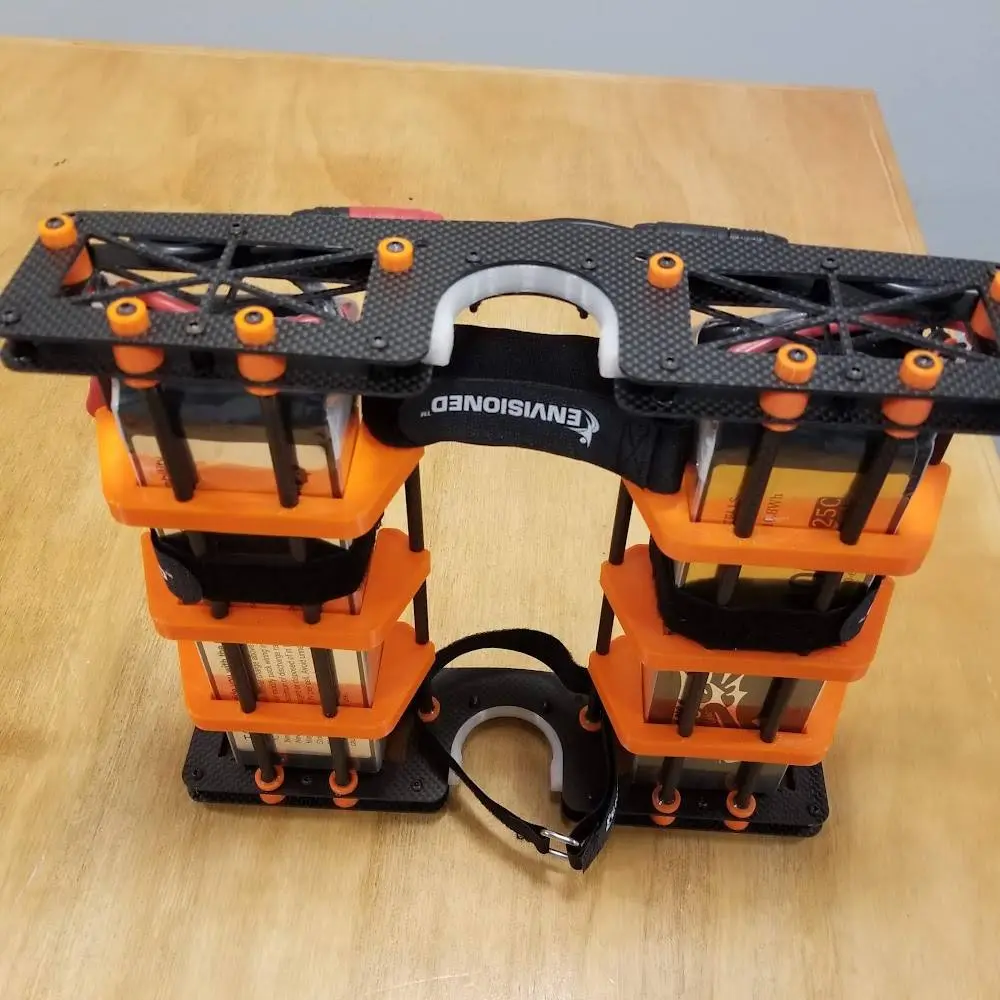
Stacked battery packs
Early battery stacks
Twin orange nacelles
First twin nacelles
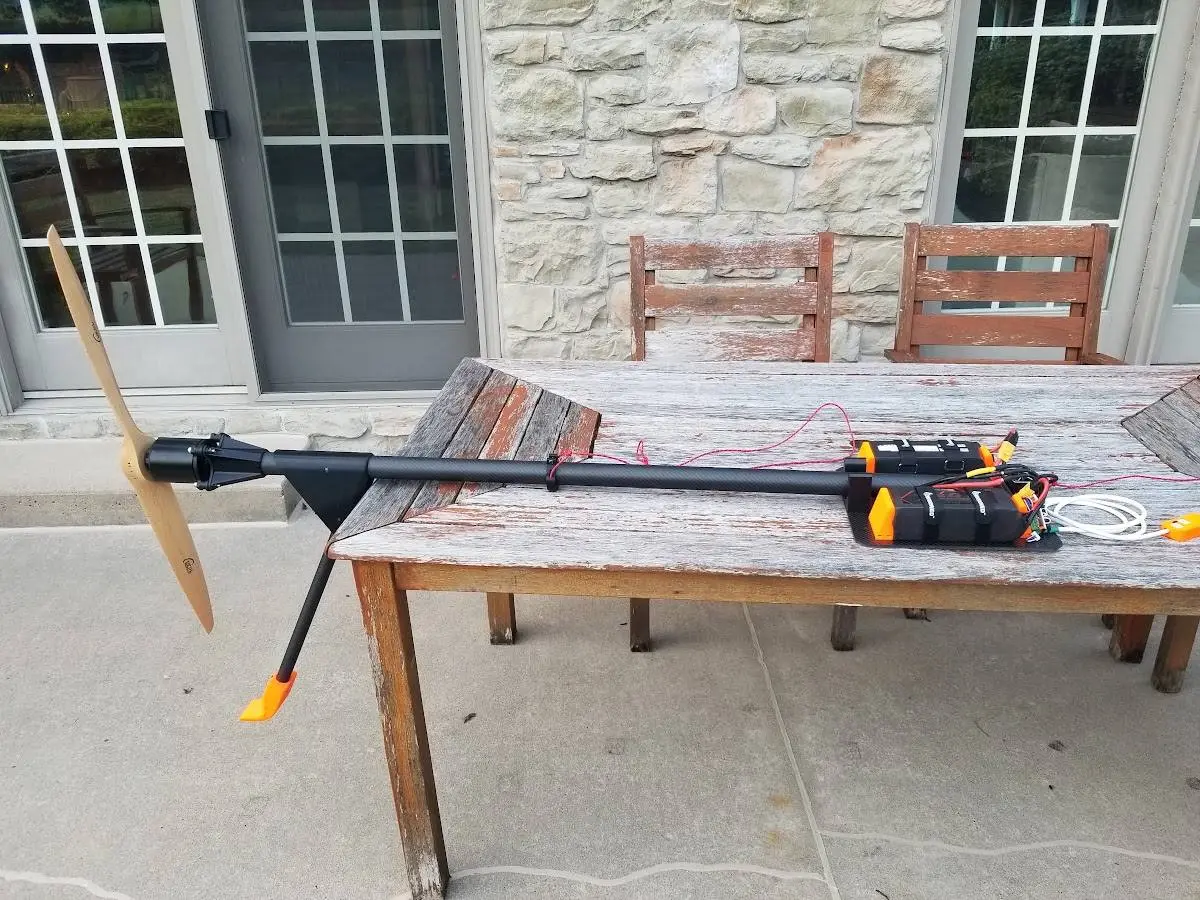
Unit on an outdoor table
Outdoor fit check
Glider in the hangar
Fitted to the glider
Open source

Build your own.

Fusion 360 models, CNC files, wiring and ESP32 firmware for both units are published on GitHub. Parts are off the shelf wherever possible.

Clone
git clone [REPO URL]
cd electricgliderlab

cad/

Fusion 360 assemblies and parts for the eHelp (Carbon Mini 2.3) and XTM (Z9 mount).

firmware/

ESP32 code for the pack controller, the XTM 5500 handheld and the cart controller.

docs/

Bill of materials, wiring diagrams and build notes.

License: [LICENSE]. Hang gliding with a power unit carries real risk. Builders are responsible for their own testing and airworthiness.
Contact

Follow the build.

Questions about the designs, or want an update when new videos and files land?

Email: [CONTACT EMAIL]